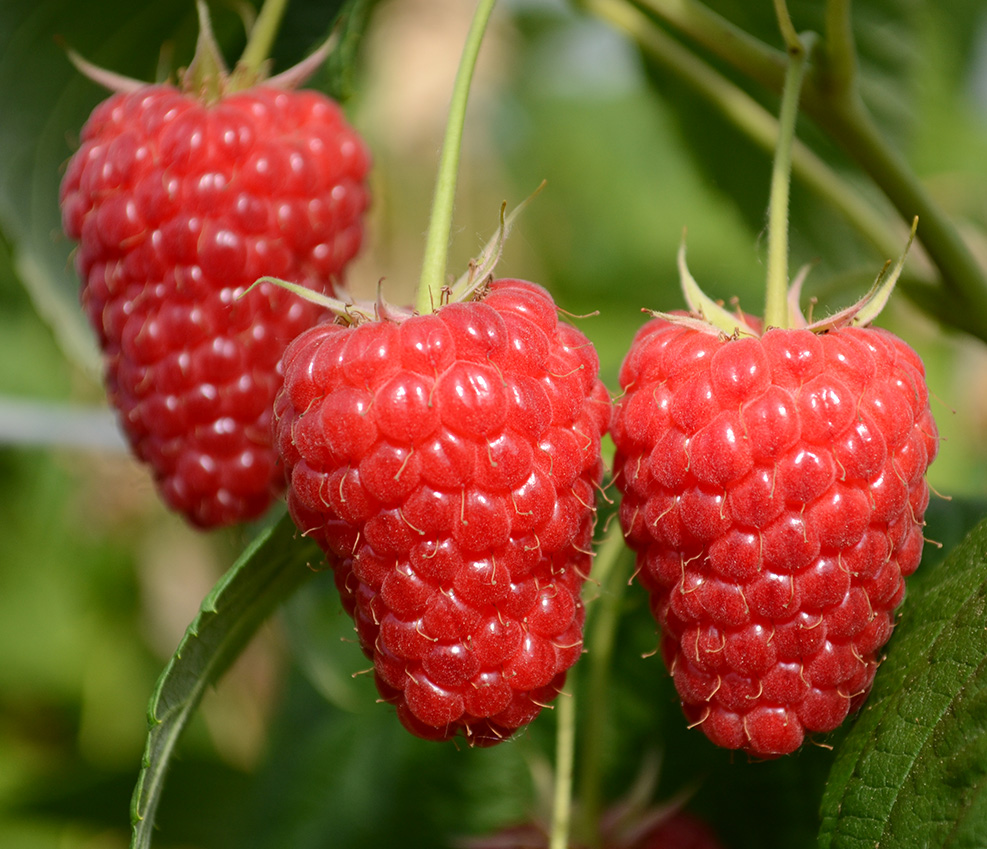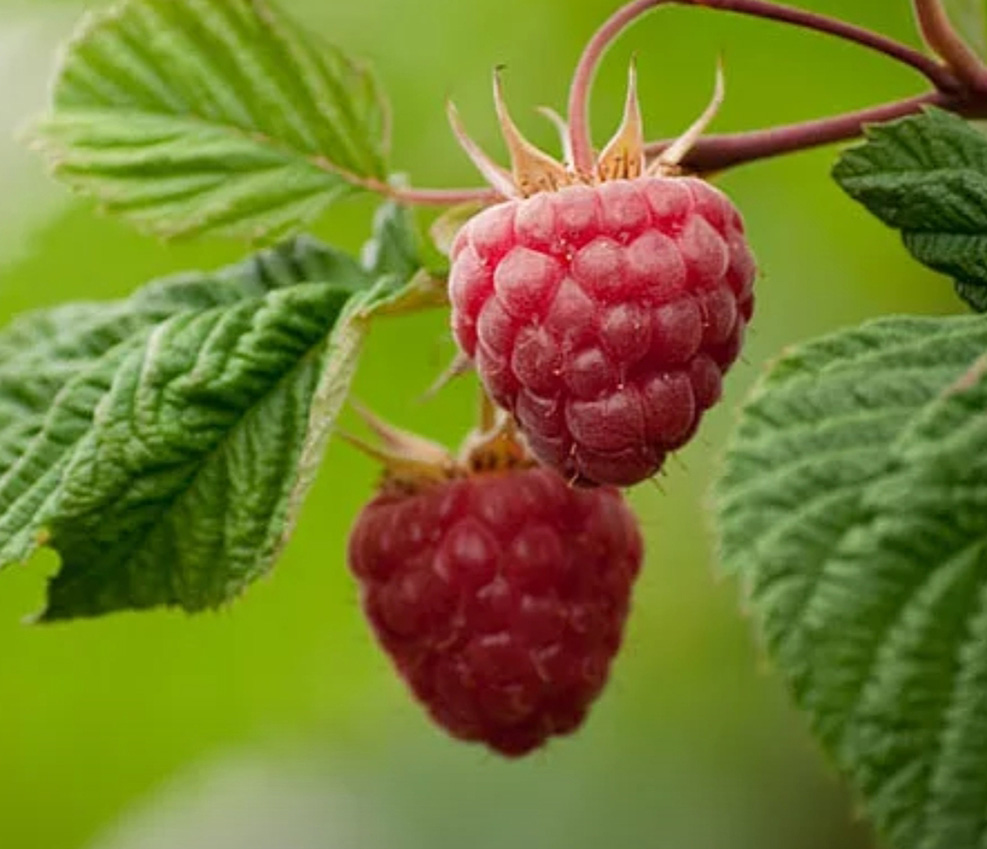



Chester blackberry seedlings
Chester is a seedless, late variety of blackberry, with round, elongated fruits that are long-lived
shelf life in fresh condition. It is very productive and resistant to diseases and low temperatures.

Chester blackberry is a late, fruitless variety that has long held its place among the most reliable choices in our field. It is known for its strong growth, abundant yield and resistance to diseases and low temperatures.
It produces shiny, black fruits of regular shape that are kept fresh for a long time, so it is a favorite both in fresh sales and in the freezing industry. Due to its late ripening, it enters the harvest when there are almost no other varieties, which is a great advantage for everyone who wants a safe placement.
Chester is a stable variety, easy to grow and tested in traditional conditions of production in Serbia, so it is a choice that is not questioned.
Chester is a late blackberry variety and as such is not recommended for the highlands as it enters the September picking, but this is an advantage for placing on the fresh market as no other blackberry varieties are available at that time.
Chester has round elongated fruits with an average weight of 6 g, a compact shape, a shiny black color and good storage properties in the fresh state, as well as for freezing. It is an excellent variety for freezing, further processing and is very widespread in the Balkans.
Chester is a sought-after blackberry variety in the EU for fresh consumption only in
in the late picking period after Loch Ness, in small packages (125 and 250 gr). The fruits can stay fresh for up to 12 days at a temperature of +2 to +4°C and at the same time they can withstand transport to distant markets such as the EU and Russia.
For fresh sale, the fruits are harvested at 60% of the physiological stage of maturity directly into small containers or crates and as soon as possible they go to
under refrigeration and on the market.
Chester is a good blackberry variety, because it retains its black color when frozen, which
makes it one of the best varieties for industrial processing. It is an advantage for cold storage, because they do not have to freeze it immediately after arriving in the cold storage because it can stay in the cold for a long time before freezing. It is recognizable on the market by all the characteristics of the fruit.
Chester has excellent tolerance to Purple Spot and Blight, with slight sensitivity to Botrytis (Gray Rot) in case of poor and inadequate protection.
During flowering, be sure to protect from gray
it rots 3-4 times. It is one of the most frost-resistant varieties during the winter period. It is recommended to plant up to 700 m above sea level, and if the altitude is higher, choose a plot that is sheltered.
Chester is a lush, stemless variety of blackberry with semi-erect shoots that are easy to manipulate. Planting is done in autumn or spring at a distance of 1 x 2.5 m (4,000 units/ha) or 1 x 3 m (3,330 units/ha), depending on the application of mechanization.
It is best to use certified container seedlings that are planted on prepared soil, so that the neck of the root sinks slightly into the ground, i.e. it is on the surface. Then cover with fine soil, gently press with your hands
(not with the feet) and water with a solution of HUMISTART 0.1% + TIFI 0.1% for better rooting and protection of the root system and to achieve better contact with the ground.
After the selection of the plot, the soil is first properly sampled in several places, at a depth of 0-30 cm and analyzed, based on which detailed recommendations are given for the proper preparation of the soil. The best is slightly acidic (pH 5.5
6.5), loose, humus soil, rich in nutrients.
After plowing, spread lime over the entire surface of the plot, if necessary, and some of the soil insecticides (Galition Forte 20 kg/ha or Radar Versus 30 kg/ha).
After milling the entire plot, mark the rows where the planting will be and spread well-burnt manure, 40 t/ha and recommended fertilizer (ITALPOLLINA and GUANITO) in strips 1 m wide, and mill everything once more.
Open the furrows for planting to a depth of 15-20 cm, add insecticide (GALITION FORTE 10 kg/ha) and fertilizer as recommended and gently bury in the furrows with a rake, hoe or broom to cover the fertilizer with soil 1-2 cm. Place the seedling in the furrow at a maximum depth of 10 to 15 cm, in an upright position and cover it with fine soil and tread lightly around the seedling with your feet, additionally use a rake or hoe to cover the soil around the seedling.
If it is autumn planting, make raised 3-5 cm high around the seedling and never leave a valley. If it is a spring planting, leave the soil flat around the seedling, and by no means leave a large rise.
If it is a matter of late spring planting, leave a slight depression around the seedling so that in the event of a prolonged drought, the first rainwater will collect around the plant and thus water it more
seedling.
Irrigation should be provided through the “drop by drop” system, which is also used for feeding with water-soluble fertilizers, and in case of severe droughts, it is recommended to provide a system of sprinklers (sprinklers for watering) that are used exclusively over the nodes when the plants have cooled down. The sprinklers ensure even irrigation of the entire soil surface because the blackberry has a very strong and large root system.
The application of the irrigation system is necessary because it is a variety that bears fruit abundantly (in the conditions of Serbia and until the end of September).
Regular feeding with increased content of potassium and calcium and moderate nitrogen should be applied from the beginning
fruit ripening until the end of August.
Since the beginning of September, potassium sulfate fertilizers have been used several times in order to achieve a higher percentage of dry matter both in the fruit and in the tree. In this way, the plants will bear fruit more abundantly and be prepared for the winter, and the shoots will not freeze.
The necessary agrotechnical measure in the region of Serbia is also shadowed. A network of at least 40% of the necessary agrotechnical measure in the region of Serbia is also shaded.
A net of minimum 40% shade is required
in order to reduce solar radiation by 40%, reduce the temperature by 5-6°C and avoid fruit burns.
It also increases air circulation, protects against possible ice (hail) and provides workers with easier and more efficient work
throughout the day, thereby increasing work performance. Yields increase up to 40%, and the quality of the fruit is incomparably better.
Shading is needed in order to reduce solar radiation by 40%, reduce temperatures by 5-6°C and avoid fruit burns, improve air circulation, protect against possible ice (hail), and provide workers with easier and more efficient work throughout the day, thus increasing work performance. Yields increase up to 40%, and the quality of the fruit is incomparably better.
Planting varietal pure, certified and healthy planting material and applying all agrotechnical measures in an average year, in a full crop from the third year can ensure a yield of 30 – 40 t/ha.